GET A QUOTE

Edit Template

Author name: admin

Benefits of Armoured Joints in Heavy Duty Concrete Floors
Uncategorized

Benefits of Armoured Joints for Heavy-Duty Concrete Floors | Duratech

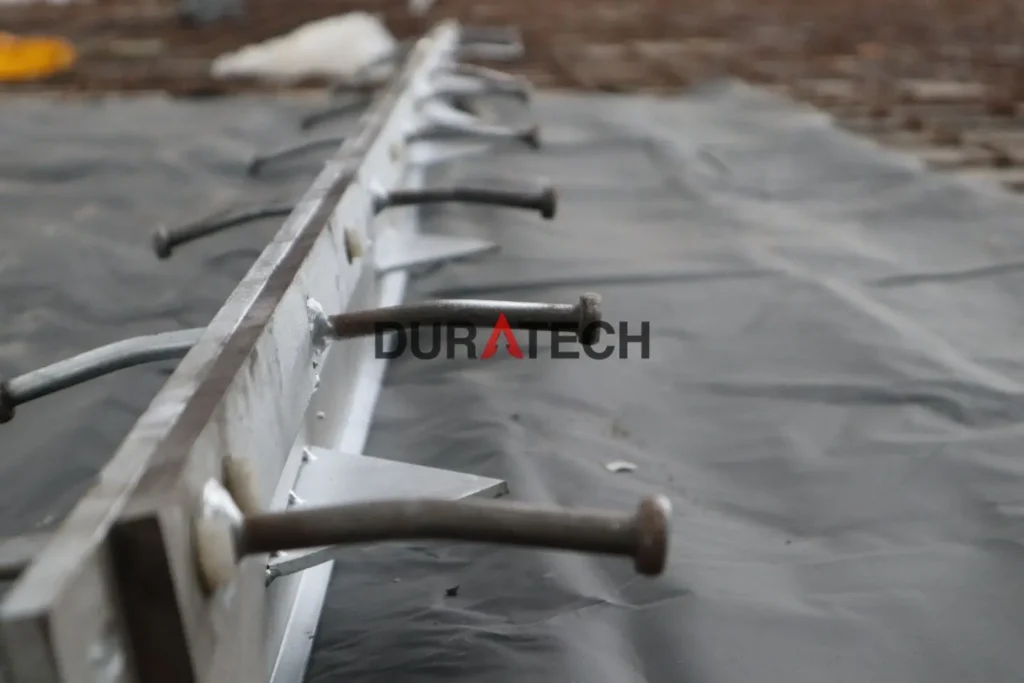
Introduction Concrete floors are the backbone of any industrial facility, whether it’s a warehouse, logistics hub, cold storage, or manufacturing plant. These floors are constantly exposed to intense loads, frequent movement of heavy equipment, and operational stress. While concrete is strong, it is not indestructible. The most vulnerable points in any concrete slab are the joints, the linear gaps intentionally left between slabs to allow for expansion, contraction, and controlled movement. Over time, these joints become the primary location for cracking, edge breakdown, and floor failure. This is where armoured joints play a critical role. In this blog, we’ll explain in simple terms: What armoured joints are Why they’re important How they prevent long term damage The key benefits they offer in high performance concrete flooring systems   What Are Armoured Joints Imagine you’re driving a forklift across a wide warehouse. The concrete slab you’re moving on isn’t one single piece, it’s divided into large sections. These sections meet at joints, similar to seams between tiles. Over time, the repeated impact of forklifts and trolleys rolling across these joints can damage the edges of the concrete. The result is chipped corners, cracks, and uneven levels that can affect operations, damage equipment, and create safety hazards. Armoured joints are the solution They are specially designed joint profiles made using preformed steel edge protection plates. These are installed in the floor slab during the concrete pouring process, ensuring both sides of the joint are reinforced with metal. They do two important things: Protect the edge of the concrete from breaking down Allow smooth load transfer from one slab to another using dowel systems Think of armoured joints as protective armour at the most sensitive points of your floor. Why Are Floor Joints So Critical in Industrial Flooring In heavy duty concrete floors: Joints bear the brunt of wheel impact Forklifts, stackers, reach trucks pass over them thousands of times a day Cracked joints quickly escalate into floor wide structural issues Without proper edge protection, even the strongest concrete will eventually fail. Repairing damaged joints is costly, leads to downtime, and is often only a temporary fix. That’s why armoured joints are not just useful, they’re essential in modern industrial flooring design.   Core Benefits of Armoured Joints in Heavy Duty Concrete Floors 1. Prevents Edge Breakage and Concrete Spalling Armoured joints are built to absorb high impact loads. The steel edges protect the concrete at its weakest point, the joint, from: Breaking Chipping Spalling (surface flaking) It keeps the floor looking neat and ensures a safer environment for both workers and equipment. 2. Reduces Maintenance and Downtime A damaged joint often means stopping operations to repair the floor, which: Delays productivity Increases cost Can be disruptive in 24×7 facilities Armoured joints reduce the frequency of repairs, meaning fewer interruptions to your operations.   3. Enhances Equipment Life and Operator Comfort Forklifts hitting uneven or broken joints cause: Equipment vibration and wear Increased fuel or battery consumption With smooth, level joint transitions, armoured joints make movement seamless, reducing wear on machines and ensuring a safer, more comfortable work environment. 4. Improves Load Transfer with Integrated Dowels Armoured joints typically come with dowel bars or sleeves that connect two slabs internally. This: Helps distribute weight across slabs Prevents slab movement or differential settlement Maintains flatness across the entire floor This is especially crucial for FM2 or FM3 flatness tolerances in modern logistics floors. 5. Speeds Up Construction and Increases Precision(optional) These joints are pre-engineered and easy to align. Professional flooring contractors can: Install them faster during concrete pouring Achieve precise levels, aiding laser screed operations Ensure consistent joint gaps and alignment   This reduces errors and ensures long term performance. Where Are Armoured Joints Commonly Used Large Warehouses and Distribution Centers Logistics Parks & Centers Cold Storage and Freezer Rooms Heavy Manufacturing Plants Aviation Hangars Retail Distribution Hubs Any place where floors see repeated mechanical traffic and must perform reliably under pressure.    Conclusion: Why Armoured Joints Are a Smart Investment Armoured joints may seem like a small component, but they offer huge long term benefits. If you’re designing or upgrading an industrial floor, including armoured joints will: Protect your concrete investment Keep your floor safe and efficient Ensure consistent performance under heavy duty conditions   In short, armoured joints help your floor last longer, stronger, and safer. Need help choosing the right armoured joint system for your projectTalk to our team today for expert guidance, technical specifications, or a site specific solution tailored to your industrial flooring needs.
Why Jointless Industrial Floors Eliminate Cracks, Dust, and Downtime - Duratech
Uncategorized

Why Jointless Industrial Floors Eliminate Cracks, Dust, and Downtime

In demanding industrial environments, flooring is more than just a surface — it is a foundation that supports heavy loads, nonstop movement, and constant pressure. But traditional concrete floors, filled with joints, often become weak over time. These joints crack, break, and collect dust, creating long term problems that affect both safety and efficiency. Jointless industrial flooring is designed to eliminate those problems from the start. By reducing the number of construction joints, it offers a smoother, stronger surface that performs better and lasts longer. If your facility needs a reliable floor that can keep up with your operations without frequent repairs, jointless flooring is a practical and proven choice. Why Cracks and Joints Cause Trouble In most industrial floors, joints are placed to help control cracks. But in busy spaces, those joints often become weak points. Cracks begin near joints and spread Forklifts and carts bump or shake at each joint Joint edges break, creating uneven surfaces Dust collects where the joints fail Regular patching or filling is needed to keep the floor safe These issues do not just affect the surface. They also reduce productivity, wear down equipment faster, and can lead to safety risks for workers moving through the space every day. In high traffic zones, this repeated damage at the joints becomes a never-ending cycle of repair and disruption. How Jointless Floors Solve These Problems Jointless flooring changes the game by removing most of the weak spots that cause cracking and damage in traditional floors. It is poured in large, reinforced sections with fewer construction joints, making the surface stronger and more stable over time. One reason this system works so well is the use of steel fiber reinforcement. These fibers are blended directly into the concrete mix, helping the entire slab hold together under pressure. They reduce internal stress and control the tiny cracks that usually grow into larger problems, especially in areas with heavy loads or high movement. With this design, jointless floors offer many long term advantages: Fewer CracksThe floor holds together better and resists cracking, even under constant vehicle traffic, shifting loads, or vibration from equipment. Low MaintenanceBecause the surface stays intact and edges do not break down, there is less need for repairs. This means operations can continue without frequent interruptions. Smooth MovementVehicles like forklifts roll more easily across the surface without bumping over joints. This helps improve efficiency and reduces equipment wear. Cleaner SurfaceFewer joints means fewer places for dust and debris to collect. The result is a neater work environment that is easier to clean and maintain. Longer Lasting PerformanceThe floor is built to handle pressure and heavy use over time. It stays reliable for years with fewer surface failures, making it ideal for busy industrial operations. Where Jointless Flooring Is a Smart Choice Jointless floors are ideal for places where floors need to work hard every day: Warehouses and storage facilities Logistics and sorting centers Manufacturing units and assembly lines Cold storage and freezer rooms Food and pharma units that need clean environments In these environments, a damaged floor slows everything down. A jointless solution helps the business run smoothly and creates a safer, cleaner workspace for everyone. Explore our Jointless Flooring Services Conclusion Jointless industrial flooring helps you avoid the usual problems that come with cracks and joint failures. It gives you a surface that is strong, smooth, and easy to maintain — even under heavy use. It is more than just a concrete slab. It is an upgrade that saves time, protects your equipment, and gives your operations the strong foundation they need. If your team is constantly fixing floor issues, it is time for a better solution. Jointless floors take away the stress of maintenance and bring back control, safety, and confidence to your workspace. Want to stop worrying about floor repairsGet in touch with us to learn how jointless flooring can help your business stay focused on what matters.

Uncategorized

SFRC vs Traditional Reinforcement: Choosing the Right Concrete Strength Solution

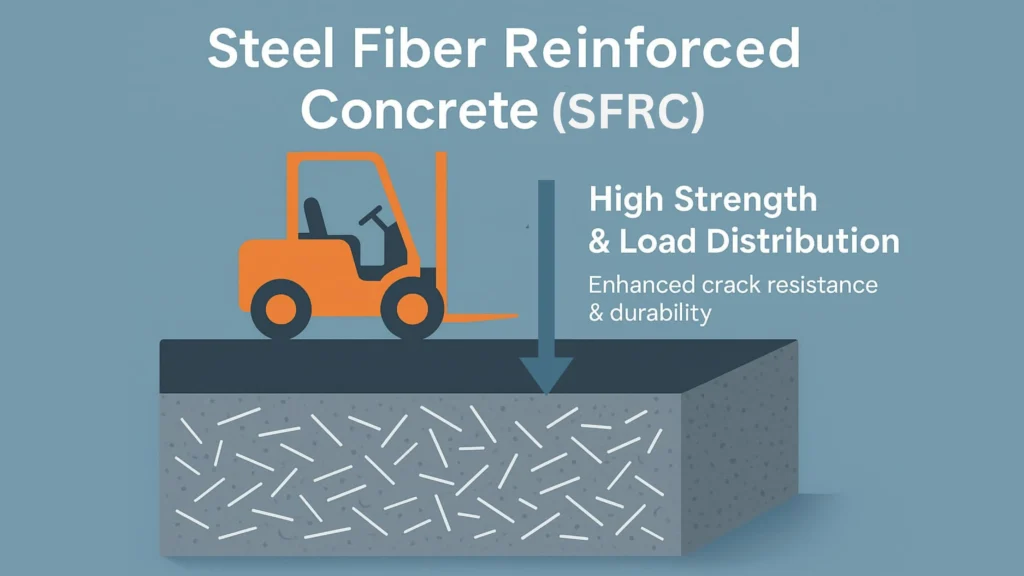
At Duratech, we understand that concrete reinforcement is a crucial factor in construction, ensuring durability, strength, and longevity. Traditionally, rebar (reinforcing bars) and welded wire mesh have been the primary methods for reinforcing concrete structures. However, with advancements in construction technology, Steel Fiber Reinforced Concrete (SFRC) has emerged as a powerful alternative. But how do these two reinforcement methods compare? Let’s explore their differences, advantages, and applications to determine the best choice for your construction project. What is SFRC? Steel Fiber Reinforced Concrete (SFRC) is a high-performance concrete that incorporates small, randomly distributed steel fibers throughout the mix. These reinforcing fibers significantly enhance the concrete’s tensile strength, impact resistance, and durability. The primary goal of SFRC is to reduce reliance on traditional reinforcement methods while improving structural performance and minimizing the risk of cracking and spalling.  What is Traditional Reinforcement? Traditional reinforced concrete utilizes embedded steel rebar or welded wire mesh to provide structural strength. This reinforcement technique helps prevent cracks, support tensile forces, and enhance load-bearing capacity. Traditional reinforcement is widely used in construction projects, including bridges, highways, industrial floors, and buildings. Key Differences Between SFRC and Traditional Reinforcement Factor SFRC Traditional Reinforcement Material Composition Steel fibers dispersed in concrete Steel rebar or welded mesh embedded in concrete Tensile Strength Higher tensile strength due to uniform fiber distribution Strength concentrated around rebar and mesh Crack Resistance Superior micro-crack control and impact resistance Effective for large cracks but prone to micro-cracks Installation & Labor Simplifies construction, reduces labor time and costs Requires skilled labor, time-intensive installation Durability & Maintenance Highly resistant to wear, fatigue, and corrosion Susceptible to corrosion, requiring periodic maintenance Cost Efficiency Lower material and labor costs for certain applications Higher initial costs but necessary for heavy loads Load Distribution Uniform load distribution, reducing stress concentration Load distribution depends on rebar placement Flexibility in Design Ideal for complex shapes and irregular forms Custom bending required, limiting flexibility Advantages of SFRC Enhanced Crack Resistance: The steel fibers provide multi-directional reinforcement, reducing the likelihood of cracking and spalling. Lower Maintenance Costs: SFRC is highly durable and resistant to corrosion, reducing long-term maintenance expenses. Faster Construction: Eliminates the need for manual rebar placement, significantly reducing installation time. Better Impact & Fatigue Resistance: Perfect for industrial floors, airport pavements, highways, and heavy-duty applications. Advantages of Traditional Reinforcement Proven Structural Integrity: Traditional reinforcement has been extensively tested and remains a trusted method for structural support. Higher Load-Bearing Capacity: Ideal for bridges, high-rise buildings, and large-scale infrastructure. Standardized Design Regulations: Engineers and contractors can rely on well-established design codes and industry guidelines. Applications of SFRC vs Traditional Reinforcement SFRC is Best Suited for: Industrial floors and warehouse flooring systems Concrete pavements and airport runways Tunnel linings, precast elements, and shotcrete applications Slabs on grade for commercial and industrial spaces Jointless floors requiring high crack resistance Traditional Reinforcement is Best Suited for: Bridges, overpasses, and high-rise structures Heavy-duty foundations and infrastructure projects Seismic-resistant buildings and earthquake-prone zones Large-scale concrete structures requiring extreme load capacity Which One Should You Choose? The choice between SFRC and traditional reinforcement depends on project requirements, budget, and structural needs. SFRC is an excellent choice for jointless floors, industrial warehouses, pavements, and tunnels, where crack resistance, flexibility, and faster installation are key factors. On the other hand, high-rise buildings, bridges, and heavy-load structures benefit from traditional reinforced concrete due to its load-bearing strength and adherence to structural codes. Conclusion Both SFRC and traditional reinforcement offer distinct benefits and applications. SFRC provides flexibility, enhanced durability, and reduced labor costs, while traditional reinforcement ensures structural reliability and high load capacity. The best choice depends on the specific needs of your construction project—whether it’s jointless industrial flooring, large-scale infrastructure, or high-strength structures. By selecting the most suitable concrete reinforcement method, you can ensure longevity, strength, and cost-effectiveness for your construction project.

Why FM2 Flooring with Laser Screed is a Game-Changer for Industrial Spaces
Uncategorized

Why FM2 Flooring with Laser Screed is a Game-Changer for Industrial Spaces

At Duratech, we specialize in delivering high-precision, durable, and efficient industrial flooring solutions. FM2 Flooring is a high-performance industrial flooring system designed for superior flatness, durability, and load-bearing capacity. To achieve the precision required for FM2 Flooring, Laser Screed Technology is used for levelling and finishing, ensuring optimal surface quality. This guide explores why FM2 Flooring and Laser Screed Technology are the best choices for industrial flooring requirements. What is FM2 Flooring with Laser Screed Technology? FM2 Flooring follows the TR34 standards, developed by The Concrete Society, to ensure high-quality industrial floors with minimal undulations. It is widely used in warehouses, logistics hubs, manufacturing plants, and commercial facilities that require smooth and durable flooring. Laser Screed Technology is an advanced method used to level and compact concrete surfaces efficiently, ensuring superior flatness, evenness, and strength. This technology allows for faster installation and significantly reduces errors compared to traditional manual methods. Check out our FM2 Flooring Service. Key Features of FM2 Flooring with Laser Screed Technology: ✔ High Flatness & Levelness: Ensures smooth forklift movement, reduced vibrations, and increased efficiency.✔ Precision-Levelling with Laser Screed: Guarantees TR34-compliant surface quality with minimal undulations.✔ Superior Load-Bearing Capacity: Designed for heavy machinery, racking systems, and high-traffic industrial use.✔ Crack & Curling Resistance: Reduces the risk of surface cracking, ensuring long-term durability.✔ Fast Installation with Laser Screed Machines: Covers large areas in less time with high precision.✔ Cost-Effective & Low Maintenance: Minimizes repair costs and long-term maintenance efforts.✔ Compliance with International Standards: Meets TR34, ASTM, and DIN standards for industrial flooring. Advantages of FM2 Flooring with Laser Screed Technology Feature FM2 Flooring with Laser Screed Technology Flatness & Levelness Highly precise (TR34 compliant), achieved with Laser Screed Machines Installation Speed Rapid installation with minimal manual effort Durability Designed for industrial-grade loads & high traffic areas Crack & Curling Resistance Significantly reduces surface imperfections Maintenance Long-term performance with minimal upkeep Why Should You Choose FM2 Flooring with Laser Screed Technology? Ideal for industries requiring: ✔ High flatness & level surfaces for VNA forklifts & automated material handling systems.✔ TR34-compliant flooring for warehouses, logistics centres & industrial facilities.✔ Durable, low-maintenance surfaces to handle heavy loads & racking systems.✔ Laser-precision levelling for seamless concrete finishing.✔ Efficient construction with minimal downtime.✔ Cost-effective, long-lasting flooring solutions for industrial and commercial spaces. FM2 Flooring with Laser Screed Technology is the best choice for high-performance industrial flooring, offering exceptional durability, efficiency, and precision. FM2 Flooring combined with Laser Screed Technology provides the highest level of flatness, durability, and efficiency for industrial projects. By meeting TR34 and international standards, this system ensures unmatched quality, reduced maintenance, and long-term performance. At Duratech, we specialize in providing cutting-edge FM2 Flooring solutions with advanced Laser Screed Technology. Contact us today to get expert guidance on the best flooring solution for your project!

Epoxy Flooring vs. PU Flooring (Polyurethane): Which One is Best for Your Industry?
Uncategorized

Epoxy Flooring vs. PU Flooring (Polyurethane): Which One is Best for Your Industry?

When it comes to industrial and commercial flooring solutions, Epoxy Flooring and Polyurethane (PU) Flooring stand out as two of the most preferred options. Each has its unique properties, advantages, and ideal applications. Choosing the right one depends on factors like durability, chemical resistance, sustainability, operational efficiency and aesthetics. In this detailed comparison, we’ll explore the key differences to help you make an informed decision. What is Epoxy Flooring? Epoxy flooring is a resin-based solution created by mixing epoxy resins and hardeners, forming a rigid, durable, and highly adhesive surface. It is commonly used in warehouses, factories, commercial kitchens, garages, and showrooms due to its high compressive strength and seamless finish. Driveways & Walkways Key Benefits of Epoxy Flooring: Durability & Load Resistance: With high compressive strength, epoxy flooring can withstand heavy machinery, forklifts, and high foot traffic, making it ideal for industrial environments. Chemical Resistance: Epoxy coatings provide excellent protection against oils, acids, solvents, and cleaning chemicals. Seamless & Hygienic: A smooth, non-porous surface ensures easy cleaning and prevents bacterial growth, perfect for food processing units and pharmaceutical plants. Cost-Effective: Compared to PU, epoxy is more affordable and has a lower initial installation cost. Variety of Finishes: Available in glossy, matte, and textured finishes, with options for decorative flakes and coloured coatings. Limitations of Epoxy Flooring: Rigid and Brittle: Epoxy floors can become brittle over time, leading to cracks under extreme temperature variations. Limited UV Resistance: Direct sunlight can cause discoloration and chalking, making epoxy less ideal for outdoor applications. Moderate Thermal Resistance: Epoxy floors can withstand moderate heat but are not suitable for areas exposed to extreme temperature changes. Check out our Epoxy Flooring. What is PU Flooring? (Polyurethane) PU flooring is a flexible, resilient, and chemical-resistant flooring solution known for its ability to withstand extreme conditions. It is widely used in food industries, cold storage units, and pharmaceutical facilities due to its superior thermal and chemical resistance. Key Benefits of PU Flooring: Superior Flexibility: Unlike epoxy, PU flooring is elastic and impact-resistant, reducing the likelihood of cracks. High Thermal Resistance: PU floors can withstand temperatures ranging from -40°C to 120°C, making them perfect for cold storage and food processing plants. Excellent Chemical Resistance: Resistant to acids, alkalis, and organic solvents, PU is the preferred choice in chemical and pharmaceutical industries. UV Stability: PU does not yellow or fade when exposed to direct sunlight, making it suitable for outdoor applications. Hygienic & Anti-Microbial: Offers better resistance to bacterial growth, making it ideal for hospitals, commercial kitchens, and clean rooms. Limitations of PU Flooring: Higher Initial Investment: PU flooring comes with a higher material and installation cost, but its superior durability and performance justify the investment. Softness & Scratch Resistance: While flexible, PU is softer than epoxy, making it more prone to scratches and wear in heavy-duty industrial environments. Longer Curing Time: PU floors require more curing time than epoxy, which can increase downtime during installation. Check out our PU Flooring. Epoxy vs. PU Flooring: Side-by-Side Comparison Feature Epoxy Flooring PU Flooring Durability High, but can become brittle over time Highly flexible, impact-resistant Chemical Resistance Excellent for oils, solvents, and mild chemicals Superior resistance to harsh chemicals and acids Thermal Resistance Moderate, not ideal for extreme temperatures Withstands extreme temperatures (-40°C to 120°C) UV Resistance Prone to yellowing and chalking in sunlight UV stable, maintains color and finish Flexibility Rigid and prone to cracking Elastic and impact-resistant Hygiene & Cleanliness Seamless, but may require frequent cleaning Anti-microbial, easy to maintain Scratch Resistance Hard but prone to scratches Softer surface, more susceptible to wear Installation Cost Lower initial cost Higher upfront cost, but long-term savings Ideal Applications Warehouses, factories, showrooms, garages Food processing, cold storage, hospitals, pharmaceuticals Which One Should You Choose? Choose Epoxy Flooring if you need a cost-effective, highly durable, and chemical-resistant floor for warehouses, garages, and heavy machinery areas. Choose PU Flooring if you require high thermal resistance, flexibility, and hygiene for applications in food processing, pharmaceuticals, hospitals, and cold storage units. Both Epoxy Flooring and PU Flooring offer distinct advantages, and the right choice depends on your industry, environment, and operational needs. If you need high load-bearing capacity and affordability, epoxy is the way to go. However, if you require superior thermal resistance, chemical protection, and hygiene, PU flooring is the better option. At Duratech Surface Systems Pvt Ltd, we specialize in both epoxy and PU flooring solutions, ensuring high-performance, durable, and industry-compliant flooring for your business. Contact us today for expert consultation and customized flooring solutions!

Duratech Support Staff
Hi there! Is there anything I can help you with?
Need help? Let’s chat WhatsApp

With over a decade of expertise, Duratech delivers high-performance industrial flooring solutions, including Laser Screeding, FM2 floors, VNA floors, SFRC, and polished concrete. We also offer decorative flooring such as coloured and stamped concrete, along with door and dock levelers, and floor testing and survey services.

Quick Links

Our Services

Contact Info

Call Us: +91-9100162602
Survey No: 163, Plot No: 875/1,
Phase V, Rami Reddy Nagar,
Jeedimetla, Hyderabad,
Telangana 500055

Duratech © All Copyrights Reserved

Scroll to Top