When it comes to industrial and commercial flooring solutions, Epoxy Flooring and Polyurethane (PU) Flooring stand out as two of the most preferred options. Each has its unique properties, advantages, and ideal applications. Choosing the right one depends on factors like durability, chemical resistance, sustainability, operational efficiency and aesthetics. In this detailed comparison, we’ll explore the key differences to help you make an informed decision.
What is Epoxy Flooring?
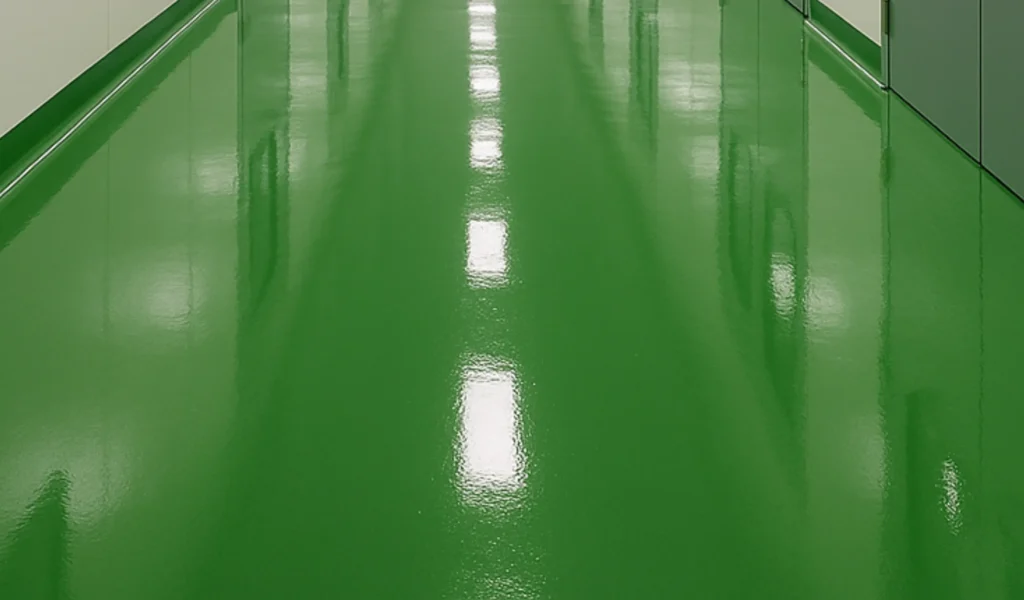
Epoxy flooring is a resin-based solution created by mixing epoxy resins and hardeners, forming a rigid, durable, and highly adhesive surface. It is commonly used in warehouses, factories, commercial kitchens, garages, and showrooms due to its high compressive strength and seamless finish.
Driveways & Walkways
Key Benefits of Epoxy Flooring:
- Durability & Load Resistance: With high compressive strength, epoxy flooring can withstand heavy machinery, forklifts, and high foot traffic, making it ideal for industrial environments.
- Chemical Resistance: Epoxy coatings provide excellent protection against oils, acids, solvents, and cleaning chemicals.
- Seamless & Hygienic: A smooth, non-porous surface ensures easy cleaning and prevents bacterial growth, perfect for food processing units and pharmaceutical plants.
- Cost-Effective: Compared to PU, epoxy is more affordable and has a lower initial installation cost.
- Variety of Finishes: Available in glossy, matte, and textured finishes, with options for decorative flakes and coloured coatings.
Limitations of Epoxy Flooring:
- Rigid and Brittle: Epoxy floors can become brittle over time, leading to cracks under extreme temperature variations.
- Limited UV Resistance: Direct sunlight can cause discoloration and chalking, making epoxy less ideal for outdoor applications.
- Moderate Thermal Resistance: Epoxy floors can withstand moderate heat but are not suitable for areas exposed to extreme temperature changes.
What is PU Flooring?
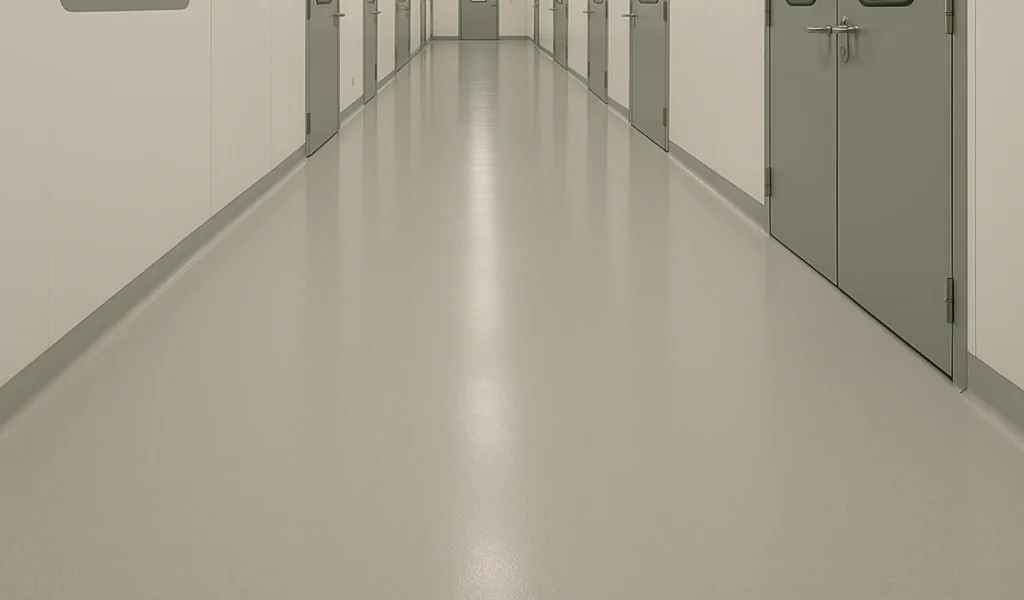
(Polyurethane) PU flooring is a flexible, resilient, and chemical-resistant flooring solution known for its ability to withstand extreme conditions. It is widely used in food industries, cold storage units, and pharmaceutical facilities due to its superior thermal and chemical resistance.
Key Benefits of PU Flooring:
- Superior Flexibility: Unlike epoxy, PU flooring is elastic and impact-resistant, reducing the likelihood of cracks.
- High Thermal Resistance: PU floors can withstand temperatures ranging from -40°C to 120°C, making them perfect for cold storage and food processing plants.
- Excellent Chemical Resistance: Resistant to acids, alkalis, and organic solvents, PU is the preferred choice in chemical and pharmaceutical industries.
- UV Stability: PU does not yellow or fade when exposed to direct sunlight, making it suitable for outdoor applications.
- Hygienic & Anti-Microbial: Offers better resistance to bacterial growth, making it ideal for hospitals, commercial kitchens, and clean rooms.
Limitations of PU Flooring:
- Higher Initial Investment: PU flooring comes with a higher material and installation cost, but its superior durability and performance justify the investment.
- Softness & Scratch Resistance: While flexible, PU is softer than epoxy, making it more prone to scratches and wear in heavy-duty industrial environments.
- Longer Curing Time: PU floors require more curing time than epoxy, which can increase downtime during installation.
Epoxy vs. PU Flooring: Side-by-Side Comparison
|
Feature
|
Epoxy Flooring
|
PU Flooring
|
|---|---|---|
|
Durability
|
High, but can become brittle over time
|
Highly flexible, impact-resistant
|
|
Chemical Resistance
|
Excellent for oils, solvents, and mild chemicals
|
Superior resistance to harsh chemicals and acids
|
|
Thermal Resistance
|
Moderate, not ideal for extreme temperatures
|
Withstands extreme temperatures (-40°C to 120°C)
|
|
UV Resistance
|
Prone to yellowing and chalking in sunlight
|
UV stable, maintains color and finish
|
|
Flexibility
|
Rigid and prone to cracking
|
Elastic and impact-resistant
|
|
Hygiene & Cleanliness
|
Seamless, but may require frequent cleaning
|
Anti-microbial, easy to maintain
|
|
Scratch Resistance
|
Hard but prone to scratches
|
Softer surface, more susceptible to wear
|
|
Installation Cost
|
Lower initial cost
|
Higher upfront cost, but long-term savings
|
|
Ideal Applications
|
Warehouses, factories, showrooms, garages
|
Food processing, cold storage, hospitals, pharmaceuticals
|
Which One Should You Choose?
Choose Epoxy Flooring if you need a cost-effective, highly durable, and chemical-resistant floor for warehouses, garages, and heavy machinery areas.
Choose PU Flooring if you require high thermal resistance, flexibility, and hygiene for applications in food processing, pharmaceuticals, hospitals, and cold storage units.
Both Epoxy Flooring and PU Flooring offer distinct advantages, and the right choice depends on your industry, environment, and operational needs. If you need high load-bearing capacity and affordability, epoxy is the way to go. However, if you require superior thermal resistance, chemical protection, and hygiene, PU flooring is the better option.
At Duratech Surface Systems Pvt Ltd, we specialize in both epoxy and PU flooring solutions, ensuring high-performance, durable, and industry-compliant flooring for your business.
Contact us today for expert consultation and customized flooring solutions!